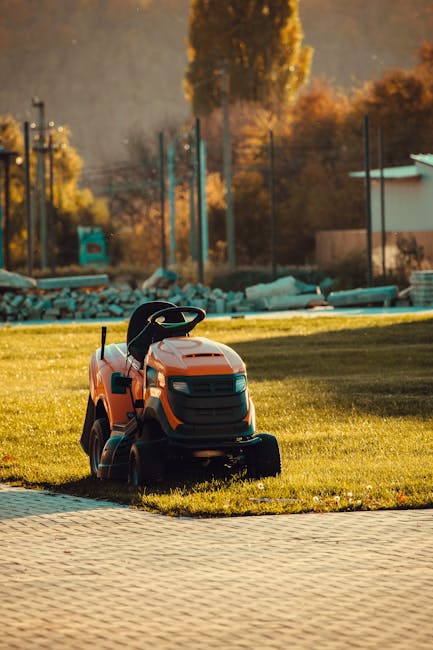
Cranbrook Road lawn care services for large gardens Ilford
If you manage a big garden near Cranbrook Road, you already know the lawn is rarely "just a lawn". It frames the whole property, takes the brunt of foot traffic, and quietly shows every patch, rut, weed and dry spell. Good Cranbrook Road lawn care services for large gardens Ilford are about much more than a quick cut. They are about keeping a large outdoor space healthy, even-looking and manageable through the seasons, without turning your weekends into a never-ending garden shift.
Large gardens need a different approach from small front lawns. There is more grass to assess, more edge detail, more shading, more drainage variation, and usually more pressure from family use, pets, or occasional events. Truth be told, if a lawn is a few square metres off here or there, no one notices. On a large plot, you notice everything. This guide walks through what the service involves, why it matters, how it works in practice, and how to choose the right approach for a big Ilford garden.
Table of Contents
- Why Cranbrook Road lawn care services for large gardens Ilford Matters
- How Cranbrook Road lawn care services for large gardens Ilford Works
- Key Benefits and Practical Advantages
- Who This Is For and When It Makes Sense
- Step-by-Step Guidance
- Expert Tips for Better Results
- Common Mistakes to Avoid
- Tools, Resources and Recommendations
- Law, Compliance, Standards, or Best Practice
- Options, Methods, or Comparison Table
- Case Study or Real-World Example
- Practical Checklist
- Conclusion
- Frequently Asked Questions
Why Cranbrook Road lawn care services for large gardens Ilford Matters
A large garden can look impressive from the street, but only if the lawn is kept in good shape. Around Cranbrook Road and the wider Ilford area, many properties have substantial rear gardens, long side access, mature borders, trees, and mixed-use outdoor spaces. That combination creates real lawn care challenges: shade in one corner, compaction near paths, moss where the sun struggles to reach, and dry stress where the garden bakes in summer.
This is why specialist care matters. A large lawn is not just bigger; it is more complex. Different sections can behave differently, even on the same day. One patch may need scarifying, another may need a lighter mow height, and another may simply need better feeding and drainage. A one-size-fits-all approach tends to show its limits very quickly.
For many households, the garden is also part of everyday life. Children use it, pets run across it, and family gatherings happen on it. That means lawn health is tied to usability, not vanity. A tired lawn becomes muddy after rain, dusty in warm weather, and awkward to maintain. A well-kept lawn, by contrast, makes the whole garden feel calmer and more usable. Small thing? Maybe. But it changes the whole feel of the place.
It is also worth noting that local conditions matter. London gardens often face compacted ground, limited access for machinery, and a fair bit of shade from buildings or trees. That is where local knowledge helps. A service with experience in professional lawn care services will usually understand how to adjust mowing, feeding, aeration and seasonal treatments to suit a large urban garden rather than a generic suburban patch.
How Cranbrook Road lawn care services for large gardens Ilford Works
In practical terms, lawn care for a large garden usually begins with assessment. A good provider will not rush straight to mowing. They will look at the grass type, the condition of the soil, drainage, sunlight, traffic patterns and any obvious problem areas. If you have a sloping section, shaded boundary or heavily used play area, those parts may need a different treatment plan. That detail matters.
From there, the work generally falls into a seasonal rhythm. In spring, the focus is usually on recovery: clearing winter debris, improving airflow, feeding the lawn and encouraging healthy growth. In summer, the focus often shifts to maintaining colour, managing stress and keeping cut height sensible. In autumn, many lawns benefit from aeration, scarifying and leaf clearance. Winter is usually quieter, though not inactive; it is the time to avoid overworking the grass and to prepare for the next cycle.
On larger gardens, machinery choice becomes more important too. A lightweight domestic mower might cope with a small lawn, but a large plot can need more efficient cutting equipment, proper edging tools and sometimes specialist machines for aeration or scarifying. You want a finish that looks tidy without tearing the turf. Nobody enjoys seeing tyre marks across a good lawn. Not ideal, to put it mildly.
For added context, large-garden maintenance is often better when it is joined up with other outdoor work. For example, if the lawn edges run into overgrown borders or hedge lines, it can help to organise related work through services such as hedge trimming services or garden clearance services. That way, the lawn is not being treated in isolation while everything around it keeps undoing the results.
Key Benefits and Practical Advantages
The obvious benefit is appearance. A well-maintained lawn makes a large garden look cared for rather than simply big. But the practical advantages go further than kerb appeal.
- Healthier grass: regular feeding, mowing and aeration help the turf thicken and resist weeds and moss.
- Better drainage and recovery: large lawns can suffer from compaction, especially near paths, patios and play areas.
- Safer use: smoother, even lawns are easier to walk on and less likely to hold muddy patches after rain.
- Less long-term damage: routine care prevents problems from building up until they become expensive to fix.
- More usable outdoor space: if you actually want to sit out, host guests or let children play, the lawn needs to hold up.
There is also the time factor. Large gardens can swallow a weekend whole if you are trying to keep them under control yourself. Mowing alone is one task; edging, feeding, weeding, trimming and clearing are another layer again. A well-planned service can reduce that burden significantly.
And then there is consistency. A large lawn rarely fails all at once. It slips slowly. One corner thins out, the middle gets scalped, weeds spread along the edge, and before you know it the garden looks a bit tired every time you step outside. Good maintenance prevents that slow slide. That is the real gain, honestly.
Who This Is For and When It Makes Sense
This kind of service is especially useful if you have a larger-than-average garden and any of the following sound familiar:
- You spend too long mowing, trimming or tidying the same space.
- Your lawn has uneven growth, bare areas or patchy colour.
- The garden gets heavy family use, pets, or regular foot traffic.
- Parts of the lawn are shaded, damp or surrounded by trees.
- You want the garden to look smart without having to manage every detail yourself.
- The property is being prepared for sale, letting, renovation, or regular entertaining.
It also makes sense if the lawn has become a bit of a burden. That is a more common situation than people admit. Large gardens can be lovely, but if the work is always postponed, the space starts to feel like a chore rather than a benefit. The right service can reset that feeling.
In our experience, homeowners often call for help after one of three moments: spring growth takes off faster than expected, summer dry patches appear, or the lawn starts looking rough just before guests are due. Very human. Very understandable.
If you are comparing options more broadly, it may help to look at related services such as pressure washing services for patios and paths, or even tree felling services where overhanging trees are affecting light levels and root competition. A garden often improves as a whole, not in little disconnected jobs.
Step-by-Step Guidance
Here is a simple, practical way to think about lawn care for a large Ilford garden. It keeps the process grounded and avoids overcomplication.
- Assess the lawn properly. Start by identifying the areas that are thriving and the areas that are struggling. Look for shade, bare patches, compacted zones, moss, weeds and drainage issues.
- Choose the right mowing pattern. Large lawns benefit from regular mowing, but not too short. Cutting too much at once can weaken the grass. A steady schedule is usually better than dramatic resets.
- Deal with compaction. If the soil feels hard and water sits on the surface, aeration may help. This allows air, water and nutrients to move into the root zone more effectively.
- Feed with care. A suitable lawn feed can support growth, but timing matters. Too much at the wrong time can push weak growth or create extra maintenance.
- Scarify where needed. If thatch has built up, scarifying removes the dense layer of dead material that blocks airflow and encourages moss.
- Edge and tidy. Clean edges can completely change the look of a lawn. On big gardens, this detail makes the whole place feel sharper.
- Monitor the result. After treatment, watch how the lawn responds over a few weeks. Adjust next steps rather than assuming one treatment solves everything.
That last point matters. Lawns are living surfaces, not hardscape. They respond to weather, use and soil conditions. A little observation goes a long way.
Expert Tips for Better Results
Here are a few practical tips that often make the difference between an average lawn and one that actually feels healthy underfoot.
- Cut little and often. On large lawns, this usually keeps the finish cleaner and reduces stress on the grass.
- Vary mowing direction. It helps prevent the grass from leaning permanently and can reduce wheel tracks.
- Watch the shaded sections separately. Shade and moisture can create a different problem set from the sunnier side of the garden.
- Do not overwater out of habit. Deep, less frequent watering is often better than giving the surface a small drink every day.
- Keep blades sharp. Dull mower blades tear the grass rather than cutting it cleanly. The lawn looks frayed afterwards. Not great.
- Treat the edges as part of the lawn. If edges are ignored, the whole lawn looks unfinished, even if the centre is immaculate.
A small observation from the field: a lawn rarely fails in the middle first. It usually fails at the margins, the awkward corners, the damp strip beside the fence, the thin patch under the tree. That is where the eye goes once you know what to look for.
If you are already planning wider garden work, you might also find garden maintenance support useful for keeping the lawn, borders and surrounding areas in sync. That joined-up approach often produces a better result than separate one-off visits.
Common Mistakes to Avoid
Large gardens are surprisingly easy to get wrong in small, repetitive ways. Here are the usual pitfalls.
- Cutting too short: scalping stresses grass and gives weeds more room to move in.
- Ignoring drainage issues: if water pools, the underlying problem will keep coming back.
- Using one treatment everywhere: the shaded area and sunny area may need different care.
- Leaving scarifying or aeration too late: once the lawn is badly compacted or thatch-heavy, recovery takes longer.
- Forgetting the borders: weeds and overgrowth on the edges can undo the whole look.
- Assuming weekly mowing is enough: a large lawn usually needs a bit more thought than that.
Another common mistake is buying random products and hoping for a miracle. Garden centres are full of tempting bags and bottles, let's be fair, but a lawn care plan should follow the problem, not the packaging. If you do not know what the grass actually needs, you can easily add more work rather than less.
Tools, Resources and Recommendations
Large-garden lawn care usually benefits from the right equipment, even if you are hiring help rather than doing everything yourself. Not every task needs a specialist machine, but the basics should be dependable.
| Task | Useful tool or approach | Why it helps on a large lawn |
|---|---|---|
| Mowing | Reliable mower with adjustable height | Keeps the cut even across large areas and varying grass conditions |
| Edge finishing | Trimmer or edging tool | Sharpens the outline and makes the whole lawn look cared for |
| Soil compaction | Aerator | Helps air and water reach the roots more effectively |
| Thatch control | Scarifier | Removes dead material that can block healthy growth |
| Feeding | Appropriate lawn fertiliser | Supports steady growth and colour when timed properly |
There is no single perfect tool set for every garden, of course. A large, open lawn near Cranbrook Road may need a simple maintenance routine. A garden with trees, narrow side runs and multiple surfaces may need more flexible equipment and more careful planning.
Before starting any major work, it helps to have a basic service plan and a realistic view of the garden's size. If you need broader outdoor support, garden design services can be helpful when the lawn layout itself needs rethinking rather than just maintaining. Sometimes the problem is not the mower. Sometimes the space itself needs better flow.
Law, Compliance, Standards, or Best Practice
For most domestic lawn care jobs, the key concerns are not complex legal issues but sensible best practice. Still, there are a few things worth keeping in mind in the UK context.
Noise, waste disposal, and neighbour consideration matter. Large lawns often require powered equipment, and it is only decent practice to keep mowing and heavier work to reasonable hours. If clippings, branches or waste material are being removed, they should be handled responsibly rather than dumped or left to blow around the area. That sounds obvious, but it is the kind of obvious that gets overlooked on busy jobs.
If pesticides, weed control products or stronger treatments are used, they should be selected and applied carefully according to the product guidance and the site conditions. In domestic settings, the safer route is usually targeted, minimal intervention rather than blanket treatment. In plain English: solve the issue without creating a new one.
There is also a best-practice standard that does not always get mentioned enough: protect the soil structure. A beautiful lawn can still be damaged by repeated heavy traffic, over-mowing, wet-weather work or poor access planning. On a large garden, that means thinking ahead about machine routes, turning points and where footfall should be concentrated.
If work is being carried out alongside other outdoor tasks, coordination helps. For example, if there is a lot of cutting back to do, an orderly sequence using grass cutting services first and related clearance afterwards may reduce damage and improve the finish. It is a small operational detail, but it makes a visible difference.
Options, Methods, or Comparison Table
There are several ways to manage a large lawn. The right choice depends on time, budget, garden condition and how polished you want the result to be.
| Approach | Best for | Pros | Limitations |
|---|---|---|---|
| Basic mowing only | Healthy lawns with low maintenance needs | Simple and cost-conscious | Does not fix moss, compaction or bare patches |
| Scheduled maintenance | Most large family gardens | Balances appearance, health and ease of care | Needs consistency through the seasons |
| Recovery-focused treatment | Lawns with patching, moss or soil issues | Targets deeper problems | May take longer to show results |
| Full garden refresh | Overgrown or neglected large gardens | Transforms the space more dramatically | Usually requires more time and coordination |
For many homeowners, a scheduled maintenance approach is the sweet spot. It keeps the lawn looking good without demanding constant intervention. If the garden has become overgrown or neglected, a one-off refresh may be needed first, followed by routine visits.
You may also want broader support across the rest of the outdoor space. Services like routine garden care and clearance for bigger outdoor areas often pair well with lawn work, especially where access and presentation matter together.
Case Study or Real-World Example
Here is a realistic example from a typical large Ilford garden. A homeowner on a residential road near Cranbrook Road had a long rear lawn with a shaded side strip, a sunny central area and a narrow section running along the boundary fence. The middle looked green enough, but the edges were patchy, the shaded section had moss, and the lawn became slippery after rain. Nothing dramatic. Just a garden that had quietly drifted into poor condition.
The first step was a full assessment rather than a quick mow. The lawn was cut at a sensible height, the moss-prone area was treated as a separate problem, and the compacted section near the family play area was aerated. The edges were tidied, clippings removed, and the worst bare patches were overseeded. It was not magic. It was just methodical.
By the next maintenance cycle, the garden was already easier to manage. The lawn still needed attention, of course - big gardens always do - but the space looked calmer, and the homeowner no longer felt they were fighting it every weekend. That is the real aim here. A lawn should support life in the garden, not dominate it.
One small detail stood out: the shaded strip improved only after the overhanging growth nearby was reduced. That is a useful reminder that lawn care often depends on what is happening around the lawn, not just on the grass itself.
Practical Checklist
Use this quick checklist if you are thinking about arranging care for a large garden lawn in Ilford.
- Check whether the lawn is patchy, mossy, compacted or uneven.
- Look at where shade, drainage or heavy use is affecting growth.
- Decide whether you need mowing only or a fuller maintenance plan.
- Think about access for tools, machinery and waste removal.
- Note any borders, hedges or trees that may affect the lawn's condition.
- Ask how the work will be timed across the seasons.
- Confirm whether edging, feeding, scarifying or aeration is included.
- Make sure the approach suits the size and use of the garden, not just the grass type.
- Consider whether other garden jobs should be handled at the same time.
- Agree on a realistic maintenance rhythm, then stick with it.
Expert summary: on a large garden, the best lawn care is rarely the most dramatic. It is the care that is consistent, site-specific and responsive to what the grass is telling you. If that sounds unglamorous, fair enough - but it works.
Conclusion
Cranbrook Road lawn care services for large gardens Ilford are really about making a big outdoor space liveable, attractive and easier to manage. The larger the garden, the more important it becomes to think beyond simple mowing. Soil condition, shade, drainage, foot traffic, edges and seasonal timing all play a part. Get those pieces right and the whole garden feels better, not just the grass.
If your lawn has started to look tired, uneven or difficult to keep on top of, that is not a sign you have failed. It usually means the garden needs a more considered plan. And once you have that, the difference can be surprisingly satisfying. A neat lawn has a way of changing the feel of an entire property, almost without you noticing at first.
Get a free quote today and see how much you can save.
Sometimes the best gardens are not the most perfect ones. They are the ones that feel cared for, season after season, and still have room for real life.
Frequently Asked Questions
What makes large-garden lawn care different from standard lawn maintenance?
Large gardens usually need more planning, more time and more variation in treatment. One part of the lawn may be shaded, another compacted, and another heavily used. Standard maintenance often misses those differences.
How often should a large lawn in Ilford be maintained?
It depends on growth rate, season and use, but most large lawns benefit from regular attention rather than occasional heavy work. Mowing, edging and inspection are often best done consistently, while scarifying or aeration are usually occasional seasonal tasks.
Do I need mowing only, or a full lawn treatment plan?
If the lawn is healthy and just needs tidying, mowing may be enough. If you have moss, bare patches, poor drainage, hard soil or weak growth, a fuller plan is usually the better choice.
Can a large lawn recover if it has been neglected for a while?
Yes, in many cases it can. The first step is to assess the real issues rather than just cutting it back hard. Some lawns respond well to scarifying, aeration, feeding and overseeding. Others need a more gradual approach.
Is scarifying always necessary?
No. Scarifying is useful when thatch has built up, but it is not needed on every lawn. Overdoing it can stress the grass, so it should be used for a clear reason, not just because it sounds thorough.
What should I do if part of my lawn is always shady?
Shady areas often need different care from sunny ones. Cutting too short, overwatering, or using the same feed everywhere can make matters worse. Sometimes nearby trees or shrubs need attention too, because light levels matter a lot.
Will lawn care help with moss?
It often helps, yes, but moss is usually a symptom rather than the main problem. Poor drainage, shade, compaction and low nutrients are common contributors. A lasting fix usually tackles those underlying causes.
How do I keep a large lawn looking neat between visits?
Keep to a sensible mowing rhythm, trim edges where needed, clear clippings, and avoid letting weeds establish in the borders. Small routines matter more than occasional big efforts. That is the honest version.
Can lawn care be combined with other garden work?
Absolutely. In fact, large gardens often benefit from joined-up maintenance. Hedge cutting, clearance, pruning and pressure washing can all affect how the lawn looks and performs, so coordination usually gives a better result.
Is there a best time of year to start improving a large lawn?
Spring and early autumn are common starting points because grass is actively growing and more able to recover. That said, the right timing depends on the lawn's condition and the type of work needed.
What if I am not sure what the lawn needs?
That is very normal. A proper assessment is usually the best starting point. Once you know whether the issue is compaction, shade, poor mowing habits, thatch or something else, the next step becomes much clearer.
Why should I choose a service familiar with Cranbrook Road and the Ilford area?
Local familiarity helps because urban London gardens often have similar challenges: limited access, mixed light conditions, compacted soil and a need to balance appearance with practical use. Local experience does not solve everything, but it does help avoid generic treatment that misses the point.