Garden maintenance tips for Seven Kings Avenue homes Ilford
If you live on or near Seven Kings Avenue in Ilford, you already know the garden can be a blessing and a bit of a job all at once. One week it looks neat and welcoming; a couple of wet, windy days later, the borders are messy, the lawn needs attention, and the hedge seems to have grown overnight. These garden maintenance tips for Seven Kings Avenue homes Ilford are designed to help you stay ahead of that cycle without turning every weekend into a full-scale outdoor project.
Whether your plot is compact, family-friendly, or a little more established, the right routine makes a huge difference. A tidy garden is not just about appearances. It helps plants stay healthier, keeps access paths clear, reduces unwanted build-up, and makes the whole space more usable. Let's face it, nobody wants to spend spring untangling a winter's worth of leaf fall and overgrowth.
This guide walks through what garden maintenance really involves, why it matters in this part of Ilford, and how to approach it sensibly. You'll find practical steps, common mistakes, useful comparisons, and a realistic checklist you can actually use. No fluff. Just the sort of advice that helps a garden feel looked after rather than constantly catching up.
Table of Contents
- Why Garden maintenance tips for Seven Kings Avenue homes Ilford Matters
- How Garden maintenance tips for Seven Kings Avenue homes Ilford Works
- Key Benefits and Practical Advantages
- Who This Is For and When It Makes Sense
- Step-by-Step Guidance
- Expert Tips for Better Results
- Common Mistakes to Avoid
- Tools, Resources and Recommendations
- Law, Compliance, Standards, or Best Practice
- Options, Methods, or Comparison Table
- Case Study or Real-World Example
- Practical Checklist
- Conclusion
- Frequently Asked Questions
Why Garden maintenance tips for Seven Kings Avenue homes Ilford Matters
A garden in this part of Ilford tends to face the usual London mix: regular foot traffic, compact outdoor spaces, shade from nearby buildings or fences, and weather that can swing from dry to soggy in what feels like no time. That combination means small issues build up quickly. A patch of moss becomes a slippery area. A hedge left too long can block light. A lawn not cut at the right time starts to look tired and patchy rather than green and inviting.
Good maintenance matters because gardens are living spaces, not decorative backdrops. A little routine care protects planting beds, helps drainage stay manageable, and keeps the whole outdoor area functioning. If you have children, pets, elderly relatives, or simply like stepping outside with a mug of tea in the morning, a well-kept garden makes everyday life easier. Honestly, it often makes the property feel bigger too, because space is being used properly rather than swallowed by growth.
There's also the neighbourly side of it. On streets like Seven Kings Avenue, front and rear gardens contribute to the overall feel of the area. Tidy boundaries, controlled hedges, and trimmed edges tend to create a cleaner street scene. That sounds minor until you notice how much a neat frontage changes the first impression of a home.
How Garden maintenance tips for Seven Kings Avenue homes Ilford Works
Garden maintenance works best when it is treated as a cycle rather than a rescue mission. In practical terms, that means looking at the garden in layers: lawn, hedges, beds, hard edges, paths, and waste removal. Each layer has its own timing and needs. If you only deal with the obvious parts, like mowing the grass, the rest quietly slips out of control. Bit of a trap, that one.
A sensible routine usually starts with observation. Walk the garden slowly and look for what has changed since the last visit: grass height, weeds near paving, dead branches, overhanging growth, poor drainage, or areas where planting is too crowded. Then decide what needs immediate attention and what can wait. That simple habit prevents wasted effort and helps you work in the right order.
For Seven Kings Avenue homes, the most useful approach is often seasonal. In spring, focus on recovery and growth. In summer, keep on top of watering, cutting, and shaping. In autumn, remove leaf fall and prepare for wetter weather. In winter, tidy structural growth, protect vulnerable plants, and avoid damaging the soil when it is waterlogged or frozen. The rhythm matters. Gardens respond better when care is steady rather than dramatic.
If you prefer a broader view of ongoing care, it can help to compare routine upkeep with one-off clear-ups. A dedicated garden maintenance approach usually keeps everything manageable, while a one-off tidy-up is better when a garden has already slipped behind. For heavier build-up, you may also need garden clearance before normal maintenance makes much difference.
Key Benefits and Practical Advantages
The most obvious benefit is visual. A well-maintained garden looks cared for, and that lifts the feel of the entire home. But the practical gains are just as important, sometimes more so.
- Better plant health: Regular pruning, feeding, and clearing dead material gives plants room to breathe and grow properly.
- Safer access: Trimming back overgrowth helps keep paths, steps, and entrances clearer and less awkward to use.
- Less weekend stress: Smaller, regular jobs are easier than a huge seasonal clean-up that takes all day and then some.
- Improved drainage and tidiness: Clearing leaves and debris helps prevent blocked gullies, slippery surfaces, and soggy patches.
- Stronger kerb appeal: Front gardens, side access, and boundary planting all contribute to the impression your home gives off.
- Lower long-term effort: It sounds odd, but a garden maintained frequently often takes less total time than a neglected one.
There's also a wellbeing angle. Many people underestimate how much easier it is to enjoy a garden when it feels orderly. You notice the light better. You sit outside more often. The space invites use rather than sitting there quietly judging you through waist-high weeds.
Practical takeaway: The best garden maintenance routine is the one you can repeat. Small, regular jobs beat heroic catch-up sessions every time.
Who This Is For and When It Makes Sense
These tips are useful for a wide range of homeowners and tenants in Seven Kings Avenue, Ilford. If your garden is modest in size, maintenance can often be handled with a straightforward routine. If it is larger, more mature, or includes hedges, trees, decking, or heavily planted borders, the work becomes more layered and benefits from more planning.
This is especially relevant if you are:
- a homeowner preparing a property for sale or rental viewings
- a busy family needing the garden to stay safe and usable
- an older resident who wants to avoid physically demanding work
- a landlord trying to keep outdoor areas presentable between tenancies
- someone who has let things slide and wants a realistic way back
It also makes sense if your garden is affected by shade, poor soil, or limited access. Those conditions are common enough in London gardens, and they change what maintenance looks like. In a narrow side return, for example, pruning and clearing may matter more than planting new shrubs. In a rear garden with a lawn, mowing and feeding may be the priority. Different spaces, different needs. Simple, really.
If your garden is starting to feel like a lot, it may help to compare a basic upkeep plan with more structural work such as landscaping or landscape gardening. Those become more relevant when the layout itself needs improvement, not just routine care.
Step-by-Step Guidance
Here is a practical, realistic way to keep a Seven Kings Avenue garden in shape without overcomplicating things.
1. Start with a clear walk-through
Begin by walking the whole garden and noting what stands out. Look at the lawn, borders, paths, fences, hedges, and any trees or larger shrubs. Check for overgrowth, weeds, broken branches, clogged corners, and any areas where water seems to linger after rain. This takes five minutes and saves time later. More often than not, the garden tells you what it needs if you actually look.
2. Tackle the lawn first if it needs it
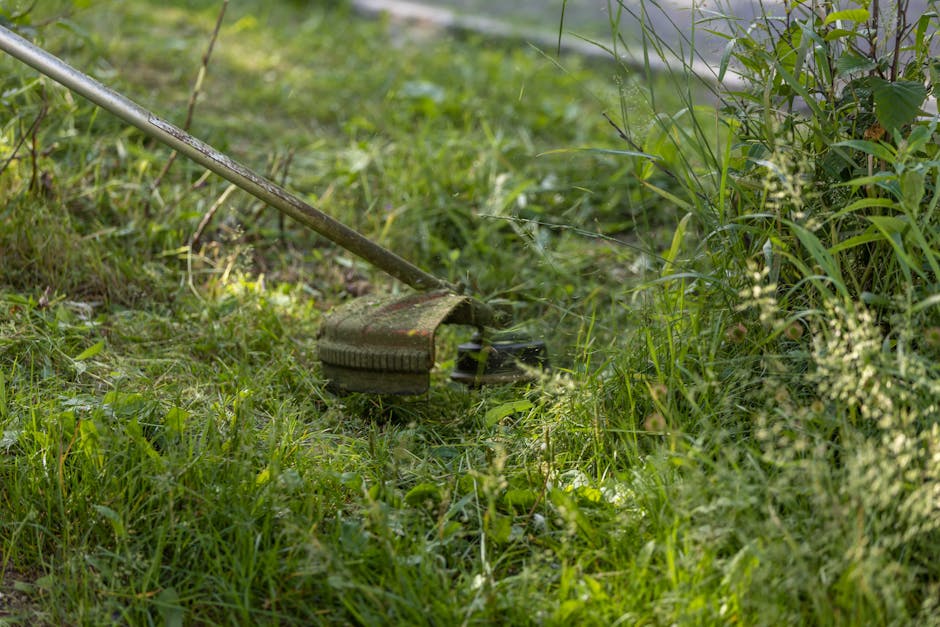
Grass usually sets the tone. If the lawn is long, uneven, or patchy, mow it at the right height rather than scalping it short. A stressed lawn recovers badly, especially in dry spells. If the lawn has gone thin, rake out debris, improve airflow, and consider feeding or overseeding depending on the season. For ongoing care, lawn mowing remains one of the most effective maintenance habits you can keep.
3. Clear weeds before they spread
Weeds are easier to manage when they are small. Pull them from borders, paving cracks, and gravel areas before they set seed. Around paths and patios, regular hand weeding is often more effective than a rushed spray-and-forget approach. If you do use weed control products, always follow the instructions carefully and keep them away from desirable plants. No drama, just patience.
4. Cut back hedges and shaping growth
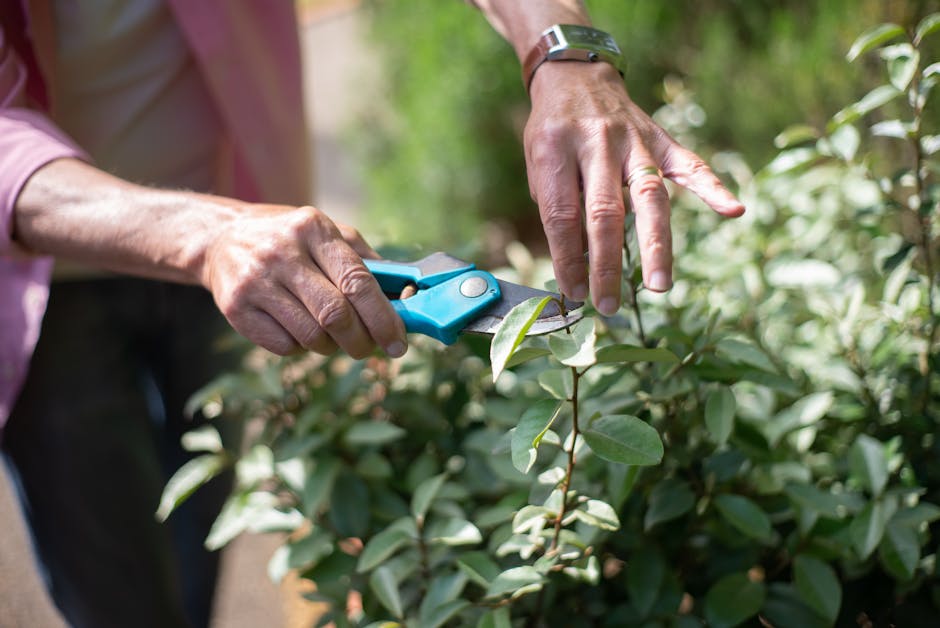
Hedges and shrubs can quickly swallow up paths, windows, and neighbours' boundaries. Keep growth trimmed before it becomes a nuisance. Light, regular shaping is better than one brutal cut that leaves brown patches or stress damage. For more structured boundary care, hedge trimming is often the service that stops a garden from feeling overgrown at the edges.
5. Remove dead, damaged, or crossing branches
Dead wood and congested growth can create problems with light, airflow, and plant health. If a branch looks broken, diseased, or dangerously close to a structure, deal with it promptly. Bigger tree work should be handled carefully and, where needed, by people with the right equipment and judgement. For larger or riskier jobs, tree lopping and removal may be more appropriate than a casual DIY attempt.
6. Refresh beds and borders
After the basic clearing, turn to the planting areas. Remove dead stems, thin overcrowded clumps, add mulch if needed, and check that plants are not competing too aggressively. Mulch helps retain moisture and keeps weeds down, though it works best when applied properly, not dumped on thick like a blanket. A neat border can change the whole look of a garden, even if the planting itself is fairly simple.
7. Check drainage, paving, and edging
Sometimes the issue is not the planting at all. Waterlogged corners, lifting paving, or messy lawn edges can make an otherwise tidy garden feel neglected. Sweep paths, clear leaves from drains where accessible, and keep edging crisp. If decking is part of the space, it should be kept clean and safe rather than allowed to go slimy and grey. That can happen quickly after a run of damp weather.
8. Deal with waste properly
It's easy to underestimate the amount of green waste a proper tidy-up produces. Bags of cuttings, branches, and leaf litter can pile up fast. Plan disposal before you start, not after. Sustainable disposal is a plus too, especially when cuttings can be recycled or composted where appropriate. If the amount of waste is substantial, a dedicated clearance visit may be the sensible option.
Expert Tips for Better Results
Good garden maintenance is not just about doing more. It is about doing the right things at the right time.
Tip 1: Keep tools sharp and clean. Clean blades cut better and reduce damage to plants. Dull tools tear rather than trim, which is especially noticeable on hedges and shrubs. It sounds minor, but it really isn't.
Tip 2: Work with the weather, not against it. Wet soil compacts easily, and frozen growth is brittle. If the ground is soggy, leave heavy jobs for another day. If the weather is changeable, do the lighter work first and save anything messy for a dry spell.
Tip 3: Trim little and often. This is one of the easiest ways to keep gardens tidy without large bursts of labour. A quick pass every couple of weeks during growing season usually beats an all-day overhaul later on.
Tip 4: Watch for light and shade patterns. In many Ilford gardens, one side may dry out while another stays damp and shaded. That changes how often you water, mow, and prune. If a bed never quite thrives, it may be a light issue, not a feeding issue.
Tip 5: Don't let one job trigger four more. We've all been there. You go out to cut one hedge and suddenly discover a hidden pile of leaves, a broken trellis, and three weeds that seem determined to take over. Start with the most urgent issue and stick to the order.
Tip 6: Keep an eye on access points. Gates, paths, side returns, and bin routes need to stay usable. A tidy garden is not just about plants; it is about movement through the space.
If you are comparing ongoing upkeep with more occasional help, it can be useful to look at services overview pages before deciding what level of support makes sense. Sometimes the smartest move is to separate simple maintenance from bigger seasonal work.
Common Mistakes to Avoid
A lot of garden problems come down to timing or overconfidence. Easy to do, to be fair.
- Cutting too much at once: Hard pruning or extreme lawn cutting can shock plants and leave a garden looking worse before it gets better.
- Ignoring the edges: Borders, fence lines, and corners are where neglected growth tends to gather first.
- Leaving leaf fall too long: Wet leaves can smother grass, create slips, and encourage moss if left in piles.
- Using the wrong tool for the job: A small hand tool is often better than forcing a larger machine into a tight space.
- Forgetting disposal: The work is only half done if the cuttings stay sitting around for days.
- Overwatering or underwatering: Both can be a problem, especially in pots and shallow beds.
- Letting hedges block light: What starts as privacy can become shade and dampness if not managed.
One of the biggest mistakes is waiting until everything feels overwhelming. By then, the job becomes less about maintenance and more about recovery. There's nothing wrong with needing a reset, by the way. It just helps to spot it early.
Tools, Resources and Recommendations
You do not need a shed full of equipment to maintain a good garden. A few reliable tools will cover most routine work.
| Tool | Best for | Why it helps |
|---|---|---|
| Hand shears | Light hedge and shrub trimming | Good control in smaller spaces and around delicate growth |
| Secateurs | Deadheading and small cuts | Cleaner cuts on stems and softer pruning jobs |
| Rake | Leaves and debris | Useful for clearing lawns and beds without disturbing roots too much |
| Lawn mower | Routine grass cutting | Keeps lawn length consistent and manageable |
| Spade or border fork | Bed maintenance | Helpful for edging, clearing, and soil refresh work |
| Garden waste bags | Collection and disposal | Speeds up tidy-up work and keeps the site cleaner |
For homes with frequent leaf fall, thicker hedging, or large amounts of cuttings, it can make sense to combine basic tools with professional help. In some cases, especially after long gaps between visits, you may need a stronger initial tidy followed by ongoing upkeep. If sustainability matters to you, it is also worth considering how green waste is handled. A recycling-minded approach reduces waste and keeps the job a little kinder to the environment.
Residents who want to understand how a provider handles practical site care may also find pages such as insurance and safety, health and safety policy, and recycling and sustainability useful when choosing who to trust. Those details matter more than people sometimes think.
Law, Compliance, Standards, or Best Practice
For most domestic garden maintenance, the main concern is not heavy regulation but sensible best practice. That said, there are a few points worth keeping in mind. If you are working near boundaries, shared access, or public footpaths, take care not to obstruct neighbours or passers-by with cuttings or tools. If trees are involved, especially larger or mature ones, it is wise to check whether any protections apply before carrying out significant work. That is not the sort of thing you want to guess at.
Noise is another practical point in residential areas. Power tools and mowers are best used considerately, especially early in the morning or late in the evening. In busy London streets, being neighbourly goes a long way. Most of the time, the standard is simply common sense, clean working, and leaving the area safe and tidy once you are done.
For contractors, public liability cover, transparent pricing, and a clear complaints process are useful signs of professional practice. Homeowners may not think about these things until something goes wrong, which is usually too late. A good operator will be clear about access, waste removal, plant protection, and what is included in the job. If those points are vague, ask. Plain questions are fine. Better than fine, actually.
Options, Methods, or Comparison Table
Not every garden needs the same approach. Here is a simple comparison that helps you decide what kind of maintenance is most suitable.
| Method | Best for | Strengths | Limitations |
|---|---|---|---|
| DIY routine maintenance | Small to medium gardens with manageable growth | Low cost, flexible, personal control | Time-consuming and easy to postpone |
| Seasonal deep tidy | Gardens that have fallen behind or need a reset | Fast visual improvement and a clean starting point | Not enough on its own for ongoing upkeep |
| Regular professional maintenance | Busy households, larger gardens, repeat care needs | Consistent results and less stress | Ongoing cost, though often offset by saved time |
| Clearance followed by maintenance | Overgrown gardens needing a fresh start | Removes the backlog and sets a workable baseline | Takes more effort at the beginning |
In many Seven Kings Avenue homes, the best solution is a combination: some jobs done personally, with periodic professional support for the heavier or more time-sensitive tasks. That balance often gives the best value.
Case Study or Real-World Example
Imagine a typical rear garden on Seven Kings Avenue: a modest lawn, a couple of mature shrubs, a hedge along one boundary, and a path that tends to collect leaves. Nothing unusual. Nothing dramatic. But over a few months, the hedge starts shading the lawn, the path gets slippery after rain, and the borders fill with self-seeded weeds. The garden still works, technically, but it no longer feels easy to use.
A sensible maintenance reset would begin with clearing the fallen debris, trimming the hedge back enough to let light through, cutting the lawn to a healthy level, and pulling weeds from the borders and path edges. Then the garden would be checked for any dead branches, compacted areas, or spots where water sits after rainfall. After that, regular upkeep becomes much simpler because the space is back under control.
What makes this kind of example useful is how ordinary it is. Most problem gardens are not wild jungles. They are just spaces that have been postponed for too long. And once they are reset, the difference is striking. The area feels calmer, the plants have room again, and daily use becomes easier almost immediately.
Practical Checklist
Use this checklist as a quick monthly or seasonal guide.
- Walk the garden and note any overgrowth, damage, or drainage problems
- Mow or edge the lawn if growth has become uneven
- Trim hedges and shrubs before they block paths or light
- Remove weeds from borders, paving, and gravel areas
- Clear leaves, twigs, and cuttings from the lawn and hard surfaces
- Check trees and larger shrubs for dead or unsafe branches
- Refresh beds with mulch or light soil care where needed
- Inspect paths, gates, and access points for safety and usability
- Bag, compost, or arrange removal of green waste
- Schedule the next maintenance date before the garden gets away again
If you keep this simple and repeat it, your garden stays much easier to live with. That's really the whole game.
Conclusion
Garden maintenance for Seven Kings Avenue homes in Ilford does not need to be complicated, but it does need consistency. A little attention to the lawn, hedges, borders, waste, and access points keeps the space looking good and working properly. Once you understand the rhythm of your garden, the jobs become easier to plan and less tiring to tackle.
The best results usually come from small, steady actions rather than occasional big efforts. Keep an eye on growth, clear before clutter builds up, and make practical decisions based on the size and condition of your outdoor space. Some gardens only need a tidy routine. Others need a reset first. Either way, a bit of care goes a long way.
If you want a cleaner, safer, more enjoyable outdoor space, start with the basics and build from there. Your garden will tell you what it needs, usually with surprising honesty.
Get a free quote today and see how much you can save.
Frequently Asked Questions
How often should I maintain a garden in Seven Kings Avenue, Ilford?
Most gardens benefit from light attention every one to two weeks during active growing periods, with deeper seasonal work in spring and autumn. The exact schedule depends on lawn size, hedge growth, and how much use the garden gets.
What are the most important garden maintenance jobs?
The basics are lawn mowing, weed control, hedge trimming, clearing debris, and checking for dead or damaged growth. If those are kept under control, the garden usually stays far more manageable.
Is it better to do garden maintenance myself or hire help?
If the garden is small and the tasks are straightforward, DIY can work well. If growth is heavy, time is short, or the space needs a proper reset, professional help often saves hassle and gives more consistent results.
What should I do if my garden has become overgrown?
Start with clearance: remove dead material, cut back access-blocking growth, and dispose of waste properly. Once the space is back under control, switch to a regular maintenance routine so it does not happen again.
When is the best time to trim hedges and shrubs?
That depends on the plant type and the season, but light trimming during the growing period is often best. Avoid heavy cutting during poor weather or when plants are stressed. If in doubt, take a cautious approach rather than cutting too hard.
How do I stop weeds from coming back so quickly?
Remove weeds while they are small, keep borders mulched where suitable, and stay on top of paving cracks and edge lines. The trick is not one huge weeding session; it is regular follow-up.
Do I need special equipment for garden maintenance?
Not usually. A mower, shears, secateurs, a rake, and decent waste bags cover most basic tasks. More specialised equipment only becomes necessary for larger, taller, or more complex jobs.
Can garden maintenance help improve kerb appeal?
Absolutely. A tidy lawn, trimmed hedge, clean path, and well-kept boundary can change how a home feels from the street. It is one of the simplest ways to improve first impressions without major work.
What should I check before hiring a garden maintenance service?
Ask what is included, how waste is handled, whether they have appropriate insurance, and how they approach safety. Clear communication upfront usually saves problems later.
How do I know if my garden needs clearance rather than maintenance?
If the space is so overgrown that normal tasks like mowing or weeding cannot begin properly, clearance is usually the better first step. Maintenance works best once the garden is already back within a manageable range.
Are there any local issues to consider for gardens in Ilford?
In many Ilford gardens, shade, limited access, neighbour boundaries, and fast-growing hedges are common practical concerns. Wet weather and leaf fall can also create extra work, especially in smaller enclosed spaces.
What is the biggest mistake homeowners make with garden upkeep?
Leaving things too long. That is usually the one. Small jobs ignored for a few weeks can turn into much bigger tasks, and then the garden starts to feel like a chore instead of a space you enjoy.